Milan
Milan is a city that boasts numerous sites of interest and activities to enjoy. Here is a guide to help you organise a trip to discover this wonderful city!

Many perceive Lombardy as an unappealing region and simply an industrial hub that, together with its capital Milan, has become an important financial centre. In reality, Lombardy is far more than that: it’s a region with an ancient history boasting a rich historical and architectural heritage, as well as truly breathtaking natural landscapes. Cities of art, charming hamlets, mountain resorts and spa towns – this is Lombardy, the perfect region for a break centred on history, nature and relaxation.
The north of the region is home to some of Italy’s finest ski resorts, which in winter attract winter sports enthusiasts, whilst in summer they’re the perfect escape from city heat. Although Lombardy has no coastline, it boasts four major lakes (Lake Como, Lake Maggiore, Lake Iseo and Lake Garda) which, during the warmer months, are ideal for sunbathing in peace and quiet whilst enjoying water sports.
Those seeking a more cultural break can visit cities such as Milan, Bergamo and Mantua, all of which are listed as UNESCO World Heritage sites. There’s no shortage of relaxation opportunities either, with numerous destinations such as San Pellegrino and Bormio boasting excellent spa facilities.
If you’re planning a stay or a weekend in Lombardy, let our list of unmissable stops inspire you.

Known as an important financial centre and an international, cosmopolitan city, Milan is also a must-see destination for its architectural and artistic treasures. The city’s symbol is undoubtedly the Cathedral, one of the largest and most majestic churches in Italy.
From the Cathedral it’s easy to reach Galleria Vittorio Emanuele II, built in the mid-19th century and since then considered Milan’s “living room”. The Gallery currently houses designer shops, historic bars and luxury restaurants. Once you’ve finished your visit, you can stroll to the nearby La Scala Theatre, which in the last century hosted great composers.
The city preserves masterpieces declared UNESCO World Heritage such as Leonardo da Vinci’s “The Last Supper”, housed in the Cenacolo Vinciano Museum, in the refectory of the Convent of the Sanctuary of Santa Maria delle Grazie. The cultural itinerary continues with a visit to Sforza Castle and then to the Brera Pinacoteca, home to numerous masterpieces of Italian art history.
Those wishing to delve deeper into the life and works of the great Master Leonardo da Vinci can visit the National Museum of Science and Technology Leonardo Da Vinci and the Leonardo3 Museum. Don’t forget that Milan is also a dynamic and modern city, full of restaurants and venues, with a busy events programme.

Considered by many to be one of Italy’s most beautiful lakes, Lake Como (or Lario Lake) has captivated all its visitors over the centuries thanks to its splendid landscapes. The lake is shaped like an inverted “Y”, with the towns of Como and Lecco at the southern tips of the two branches, whilst the Colico basin is situated to the north.
Along its shores are cities with ancient histories such as Como and Lecco, as well as small hamlets with a romantic atmosphere. Among the most enchanting places, it’s a must to mention Bellagio, known as the “pearl of the lake”. Bellagio sits on what’s called the Triangolo Lariano, the area between the two branches of Lake Como, and offers all its visitors a truly unique experience.
Other towns worth visiting are Menaggio, Cernobbio and Varenna, all famous for their peaceful atmosphere. The best way to explore the lake and many of its towns is certainly by taking a boat trip, which allows you to reach different towns more quickly while also enjoying wonderful views.

The Lake Garda is the perfect destination for those wanting to combine history, nature, relaxation and excellent food! Thanks to its Mediterranean climate and extensive tourist offering, Lake Garda attracts visitors not only from across Italy but also from Europe.
Along its shores there are numerous routes and trails for hikers, cyclists and all those who love outdoor activities. In addition to this, in summer the lake offers several beaches and the chance to enjoy water sports.
There are also visits to Lombardy towns with ancient histories, such as the picturesque Limone sul Garda, the charming Desenzano and the historic town of Salò. For those wishing to spend time relaxing at the thermal spas, the town of Sirmione is recommended, boasting excellent spa facilities.

The Lake Maggiore or Verbano is a pre-Alpine lake nestled between Lombardy, Piedmont and Switzerland. The splendid landscapes surrounding this body of water make the area one of the most visited in Lombardy, especially during the summer season.
The Lake Maggiore, however, not only boasts rich natural heritage but also ancient hamlets and splendid villas surrounded by gardens. On the Lombardy side of the lake, a stop at Angera is a must to discover its beautiful fortress, and at Luino where you can admire numerous Liberty-style villas.
Along the Piedmont shore, Stresa is worth a visit, known as the “pearl of Lake Maggiore” for its beauty. The municipality of Stresa also boasts the archipelago of the Borromean Islands within its territory, comprising Mother Island, Bella Island and Fishermen’s Island.

The Lake Iseo, also known as Sebino Lake, is perhaps the least famous of Lombardy’s lakes. Located in Camonica Valley between the territories of Brescia and Bergamo provinces, Lake Iseo is a destination yet to be discovered. Home to a slower, nature-focused form of tourism, Sebino Lake preserves a natural, historical and gastronomic heritage that captivates all its visitors.
Around the lake is the famous Franciacorta wine area, which appeals to all those who love visiting wineries and tasting an excellent glass of wine accompanied by local cheese tastings. Along the lake’s shores are also towns and small hamlets that often preserve sites of great historical and cultural interest.
The largest town is Iseo, which also gives its name to the lake. The heart of the town is Piazza Garibaldi, characterised by historic buildings and porticoes hosting shops and venues. If you’re looking for a more romantic destination, you can head to Lovere, whilst for a stay closer to nature, you can’t miss Monte Isola.

The city of Bergamo has managed to preserve to this day the city walls of Venetian origin, which have been declared a UNESCO World Heritage site. The city is now divided by the walls into two distinct parts, the “Lower Town” and the “Upper Town”, two areas connected by staircases known as “gli scorlazzini” or by a convenient funicular.
The main sites of historical interest are found in the “Upper Town”, particularly in Piazza Vecchia, which hosts the Contarini fountain, the Palazzo della Ragione and the Civic Tower. Writer Hermann Hesse described Piazza Vecchia as “the most beautiful corner of Italy.”
As for religious buildings in Bergamo, a visit to the Basilica of Santa Maria Maggiore, the city’s most famous religious monument, the Colleoni Chapel and Bergamo Cathedral, which houses Pope John XXIII’s tiara inside, is a must.

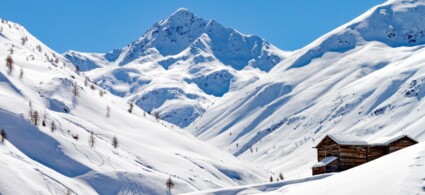
The Valtellina, one of Lombardy’s most beautiful valleys, is situated between the Western Rhaetic Alps and the Bergamo Alps and is the perfect destination in every season. This area is also home to the Lombardy sector of the Stelvio National Park, the most extensive in the Alpine arc, and the Orobie Valtellinese Regional Park. In summer this is the ideal destination for all those who love outdoor activities such as hiking and cycling.
During the winter season, meanwhile, you’ll find 400 km of runs dedicated to alpine skiing and more than 200 km dedicated to cross-country skiing, as well as numerous snowshoeing trails. The valley’s main town is undoubtedly Sondrio, alongside other important tourist destinations such as Livigno, Bormio and Morbegno.

Perfect for a weekend or a winter week, Livigno is considered a true gem of the Valtellina. In winter Livigno is the ideal destination for those who love sports activities, as the town boasts a ski area with 115 km of runs, four snowparks and several cross-country skiing loops. The town is, however, also a highly sought-after destination in summer; Livigno, in fact, is known as the “little Tibet” for its pristine landscapes and is the right place to enjoy activities in the heart of nature.
For those seeking a stay combining sport, fun and wellness, there’s the Aquagranda sports complex, a facility spanning 10,000 square metres that welcomes families, couples and sports enthusiasts. Livigno is also the right destination for those who love shopping, as this is a duty-free zone that allows you to make purchases at reduced costs thanks to special tax exemptions.

Widely regarded as a true jewel of the Italian Renaissance, Mantua is a charming town with a rich architectural heritage. The city has been inscribed on the UNESCO World Heritage List alongside Sabbioneta, thanks to its exceptionally treasure-filled historic centre.
A must-see is the Palazzo Ducale, which served as the official residence of the Gonzaga family, who governed the city for over four centuries. The Gonzagas were the driving force behind the construction of palaces, churches and monuments of considerable importance that made Mantua one of the leading centres of Renaissance culture.
Another essential site is Palazzo Te, built in the mid-16th century at the behest of Federico II Gonzaga, who desired a palace for his leisure hours. The heart of the city, both then and now, is Piazza Sordello, which hosts the principal buildings symbolising political and religious power. Here you’ll find the Cathedral, the Bishop’s Palace, Palazzo Acerbi with its Tower of the Cage, and the Palazzo del Capitano, which formed the oldest core of the Palazzo Ducale.

Perfect for a day trip from Milan, Monza is a charming town with a human-scaled historic centre that houses numerous sites of interest, including the Cathedral, the Arengario and the Civic Museums. The jewel in the crown, however, is undoubtedly the Royal Palace of Monza, which was erected in the 18th century by order of Empress Maria Theresa of Austria.
The Empress wanted a residence worthy of welcoming her son, Archduke Ferdinand, who was Governor of Milan, during the warm summer days. Built in neoclassical style, the palace boasts almost seven hundred rooms, all elegantly furnished. Surrounding the residence are the Royal Gardens, which extend over an area of approximately 40 hectares.

Pavia is a welcoming and well-ordered town that has managed to preserve an exceptional historical and architectural heritage that remains relatively unknown. The city was first declared capital of the Italian Kingdom by Charlemagne and later, under Visconti rule, became the seat of the court.
The symbolic building of the city is undoubtedly the Charterhouse, a complex built in the 14th century by Giangaleazzo Visconti as a family mausoleum. The Charterhouse is located approximately 8 km from the town’s historic centre, and this strategic location was deliberately chosen as it stood midway between Milan, the capital of the duchy, and Pavia.
Other unmissable sites include the Cathedral, whose dome is believed to have been designed by Bramante, and the Visconti Castle, now home to Pavia’s Civic Museums. Further exploration of the city continues with a visit to the Basilica of San Michele Maggiore, one of the most remarkable masterpieces of Lombard Romanesque architecture. Here, in 1155, Frederick I Barbarossa was crowned King of Italy.

Often overlooked, Sabbioneta is an elegant Lombard town that, in addition to being designated a UNESCO World Heritage Site alongside Mantua, is part of the “Most Beautiful Villages in Italy” circuit. The town emerged around the 16th century thanks to Duke Vespasiano Gonzaga Colonna (1531–1591), an admirer of the so-called “ideal city” concept.
Don’t miss a visit to Palazzo Ducale, built in the mid-16th century by Vespasiano Gonzaga as both a residence and seat of political and administrative authority, alongside which stand the Gallery of Antiquities and the Garden Palace.
Take time to stroll through the quiet streets of the town centre, where you’ll also find the Church of the Blessed Virgin Crowned, which houses the Mausoleum of Vespasiano I Gonzaga, and the Ancient Theatre, considered one of the earliest examples of a theatrical building of the modern age.
In the following map you can see the location of the main places of interest mentioned in this article.




 Hotel
Hotel  Budget accommodations
  Apartments
  Family Hotel
 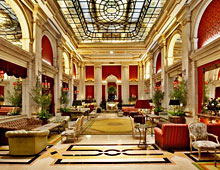 Luxury Hotel
 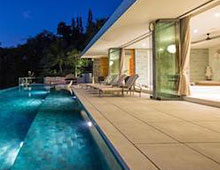 Resorts