Milan: Lake Como, Bellagio, Lugano IG Photo Tour with Cruise
10.652 reviews
Buy now
From 81,75€ per person

Lombardy is one of Italy’s most varied regions, capable of alternating within a few hours of travel the metropolitan life of Milan, the calm waters of the great pre-Alpine lakes and the snow-capped peaks of the Rhaetian Alps.
In this article you’ll find three travel proposals designed for different needs: a 3-day itinerary in Lombardy, ideal for a long weekend focused on Milan and a lake, a 5-day route that adds Bergamo and a second lake, and finally a 7-day itinerary that crosses the entire region, from the shores of Lake Maggiore to the art cities of Mantua and Sabbioneta.
Each proposal is organised day by day, with practical information on travel times and transport, so you can easily adapt it to your point of arrival, whether that’s Malpensa airport, Orio al Serio or Milan Central Station.
The choice of number of days depends mainly on the pace of travel you prefer. In three days you can enjoy Milan at leisure and add a day trip to a lake, a format suitable for a long weekend or a stopover within a larger trip across Italy.
With five days at your disposal you can also include Bergamo, with its upper city enclosed by Venetian walls, and dedicate an extra full day to a second lake, alternating city life with pre-Alpine landscapes without having to rush from one stop to the next.
The seven-day itinerary is designed for those who want a complete picture of the region: in addition to Milan, Bergamo and the major lakes, it includes the art cities of Lower Lombardy, such as Mantua and Sabbioneta, and leaves room for more relaxed travel, ideal if you’re travelling with a hire car.

This first route is designed for those arriving in Milan for a long weekend and still wanting to leave the city for a day. The pace is brisk but realistic, with short journeys well connected by regional trains.
The first day focuses on the historic centre. Start from Piazza del Duomo, where the Gothic cathedral deserves a climb to the terraces for panoramic views over the city’s rooftops. It’s recommended, if not essential, to book tickets in advance.
Continue through Galleria Vittorio Emanuele II to the La Scala Theatre, then spend the afternoon at Sforza Castle and take a stroll through Sempione Park. The castle’s courtyards are free to enter, whilst the internal museums are visited with a single combined ticket.
Book well in advance your visit to the Cenacolo Vinciano, Leonardo da Vinci’s fresco which can only be visited by reservation in limited fifteen-minute slots.
In the afternoon head to the Navigli, Milan’s neighbourhood of historic canals, perfect for a waterside stroll and an evening aperitif among artisan shops and contemporary art galleries.
The final day is dedicated to a day out. From Milan Central Station regional trains reach Como in about an hour; from there you can continue by ferry to Bellagio, the village overlooking the point where the lake divides into its two arms.
If you prefer to stay closer to the city, a stroll along Como’s lakefront, with the funicular rising to Brunate, is a pleasant way to spend a day before returning to Milan in the evening.

With two extra days you can alternate Milan and Bergamo and dedicate an entire day to a second lake. Here’s how to spread the stops across the week.
In this case too the first day is dedicated to Milan’s historic centre: Piazza Duomo, Galleria Vittorio Emanuele II and La Scala Theatre. Continue towards the Basilica of Sant’Ambrogio, one of the best-preserved examples of Lombard Romanesque, before finishing the day at Sforza Castle and Sempione Park.
The second day combines the Cenacolo Vinciano, which needs to be booked well in advance, with the Brera Picture Gallery, which houses masterpieces by Raphael, Mantegna and Caravaggio in the heart of the art gallery district. End your day in the Navigli with a stop for an aperitif along the Alzaia.
From Milan regional trains reach Bergamo in about fifty minutes. Spend the morning in the upper city, enclosed by Venetian walls that are a UNESCO World Heritage site, amongst Piazza Vecchia and the Colleoni Chapel; then take the funicular down to the lower city for the afternoon, amongst nineteenth-century streets and the Carrara Academy.
Dedicate the entire day to Lake Como. Set out from Como, take the funicular up to Brunate for an overall view of the lake, then board a ferry to Bellagio or to the quieter village of Varenna, on the opposite shore.
The final day is dedicated to the Lombard section of Lake Garda. Sirmione, with its Scaliger fortress and the peninsula jutting into the water, is the most photographed stop, whilst Desenzano offers a lively harbour where you can stop for lunch before returning to Milan.

With a full week you can complete the picture of the region, adding Lake Maggiore and the art cities of Lower Lombardy, without sacrificing the unhurried pace of someone travelling without haste.
The first two days follow the previous itinerary: historic centre and Sforza Castle on the first day, Cenacolo Vinciano, Brera Picture Gallery and Navigli on the second. If you’ve already visited Milan on a previous trip, you can dedicate one of the two days to exploring the Porta Nuova and Isola neighbourhoods, where contemporary skyscrapers dialogue with twentieth-century architecture.
The third day is dedicated to Bergamo, reachable by train from Milan in less than an hour. The morning is spent in the upper city, surrounded by Venetian walls that are a UNESCO World Heritage site, amongst Piazza Vecchia, the Colleoni Chapel and the narrow lanes of the medieval centre.
In the afternoon take the funicular down towards the lower city, where the Carrara Academy houses one of Lombardy’s most important painting collections. If you’re travelling with children you can include a stop at Leolandia, the amusement park just minutes from the city centre.
The fourth stop is Lake Como. Set out from the city of Como, take the funicular up to Brunate for an overview, then continue by ferry towards Bellagio, the promontory dividing the lake’s two arms, or towards Varenna, on the Lecco shore.
If you’re travelling with a hire car you can extend the route to Menaggio, on the western shore, or to Cernobbio, famous for its historic villas overlooking the water.
Dedicate the fifth day to Lake Maggiore. From Stresa public ferries reach the Borromean Islands in just a few minutes; Isola Bella, with its Baroque palace and Italian gardens, is the most famous stop, and tickets are booked on the Terre Borromeo official website.
If you prefer to stay on the mainland, the Verbania lakefront, with the botanical gardens of Villa Taranto, is an equally pleasant alternative.
The sixth day leaves the lakes for the plain. Mantua, city of the Gonzagas surrounded on three sides by lakes formed by the Mincio river, is explored on foot amongst the Ducal Palace and Piazza Sordello. In the afternoon, a twenty-minute drive separates you from Sabbioneta, the ideal Renaissance city designed by Vespasiano Gonzaga.
The last day is dedicated once again to Lake Garda, this time to the western shore. Salò, with its Art Nouveau lakefront, and Limone sul Garda, squeezed between the mountains and the water, deserve a stop before heading back towards Milan or your departure airport.
Milan, Bergamo and the major cities are well connected by regional trains, a convenient option for those planning a 3 or 5-day itinerary focused on cities and a single lake. Milan’s transport network also allows you to move easily around the city by underground, tram and bus without needing a car.
For the 7-day itinerary, which also touches Mantua, Sabbioneta and the less central shores of the lakes, a hire car simplifies journeys and restores freedom in your timetables. You can pick it up directly at the airport, either in Milan or in Bergamo, and return it before your return flight. If you choose to drive in the city, remember that Milan’s centre is subject to Area C: check the page on Milan’s car parks to identify the permitted areas.
For the 3 or 5-day itinerary, the most practical solution remains to stay in Milan for the entire duration of your trip, taking advantage of the rail connections for day trips to the lakes and Bergamo. It’s an option that avoids packing and unpacking and works well even if you’re travelling without a car.
If you’re doing the 7-day itinerary you can consider splitting your stay: two or three nights in Milan, one or two on Lake Como, and a couple of nights in Mantua to explore Sabbioneta at leisure. This solution reduces daily transfer times and leaves more room for unexpected stops along the way.
Spring and early autumn are the best seasons for an itinerary that includes the lakes: temperatures are mild, the gardens of Lombard villas are in bloom or coloured by autumn foliage, and tourist flows are less intense than in the central summer months.
If you prefer to steer your trip towards the mountains, winter opens the doors to the ski slopes of Valtellina, with resorts like Bormio and Livigno, while in summer the same valleys become a hiking destination, with the Stelvio National Park as a reference point for multi-day treks. Before you set out, always check the forecast on the Lombardy weather page.
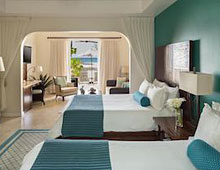 Hotel
Hotel 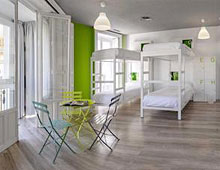 Budget accommodations
 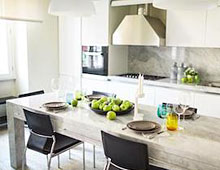 Apartments
  Family Hotel
 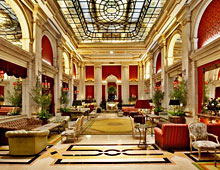 Luxury Hotel
  Resorts